
A clear and comfortable eye lens for eyesight vision is crucial for engaging in daily activities, such as reading, driving, using a computer, or appreciating outdoor views. When it comes to vision correction, choosing the right lenses is essential for clear and comfortable sight. Whether you need glasses or contact lenses, understanding your options can help you make an informed decision.
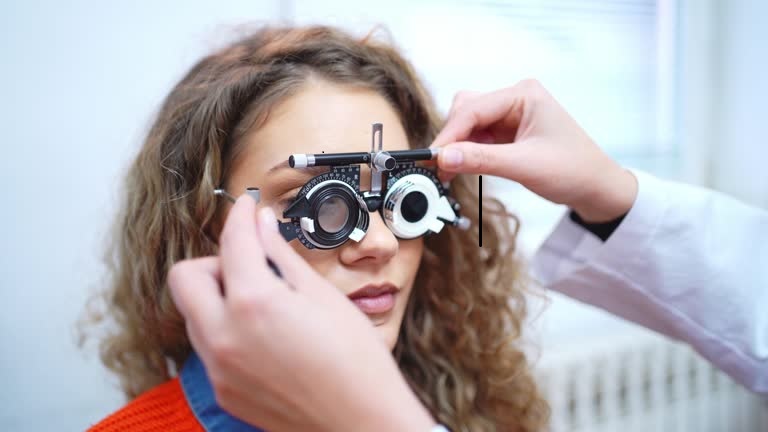
Vision correction lenses, which can be found in both glasses and contact lens formats, assist individuals with refractive errors, including nearsightedness, farsightedness, astigmatism, and presbyopia, in achieving clearer Eyesight. Given the many lens options available, choosing the appropriate one can be daunting. This guide aims to examine the most effective lenses for vision correction and guide selecting the one that best meets your requirements.
Understanding Eyesight lenses
Eye lens for eyesight lenses are specifically engineered to modify the way light enters the eye, ensuring proper focus on the retina. Various types of lenses address different vision deficiencies. The two main categories of vision correction lenses include:
1. Eyeglass Lenses – Designed to be worn in frames for vision correction.
2. Contact Lenses – Applied directly to the eye, offering a more natural visual experience.
Eyeglass Lenses: Types and Benefits
Eyeglass lenses are available in a range of types, each designed to address particular vision requirements. Here are the most common ones:
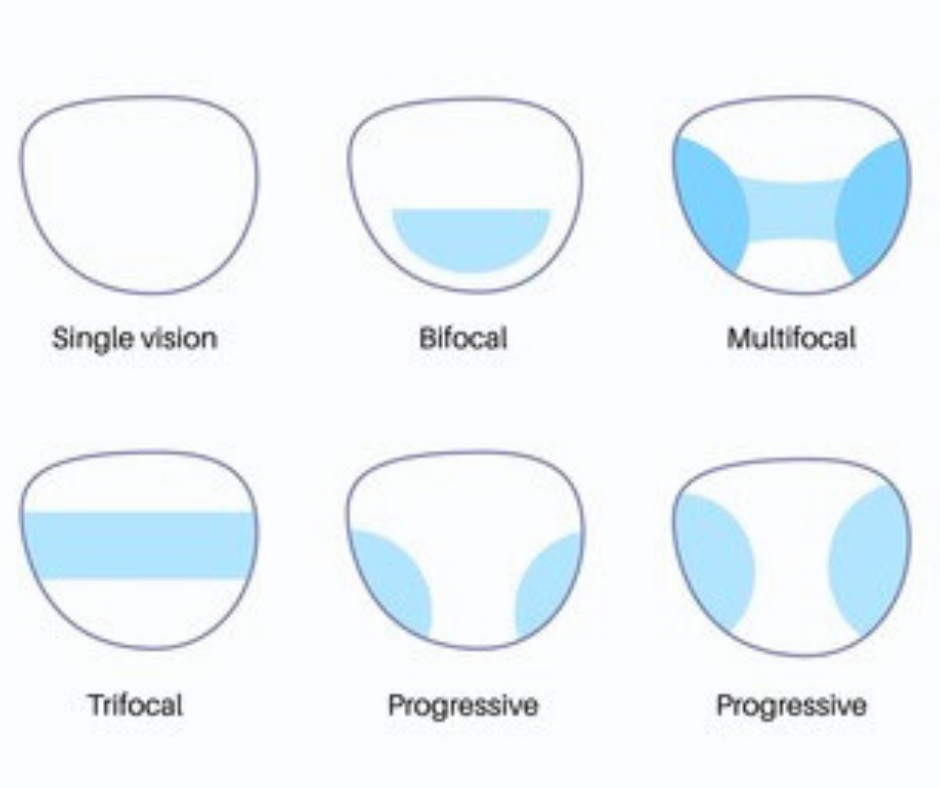
1. Single-Vision Lenses
Single-vision lenses feature a consistent prescription across the entire lens surface and are intended to correct a singular vision issue, such as myopia (nearsightedness) or hyperopia (farsightedness). These lenses are an excellent choice for those who require correction for only one type of vision impairment.
2. Bifocal Lenses
Bifocal lenses incorporate two distinct prescription strengths within a single lens. The upper section is tailored for distance vision, while the lower section assists with near vision, making them particularly suitable for individuals experiencing presbyopia (age-related farsightedness)
3. Progressive Lenses
In contrast to bifocals, progressive lenses facilitate a smooth transition among various prescription strengths—distance, intermediate, and near vision—without any visible lines. They provide a more natural visual experience than bifocals or trifocals.
4. Blue Light Blocking Lenses
As screen time increases, many individuals experience digital eye strain. Blue light blocking lenses mitigate exposure to blue light emitted by digital devices, enhancing visual comfort and alleviating eye fatigue.
5. Photochromic Lenses (Transition Lenses)
These lenses modify their tint in response to light exposure. They remain clear indoors but darken when exposed to sunlight, minimizing glare and safeguarding the eyes from harmful UV rays.
6. Anti-Reflective (AR) Coated Lenses
AR coating diminishes glare from screens, headlights, and intense lighting, making these lenses particularly suitable for night driving and extended use of digital screens.
Content Lenses: Types and Benefits
Contact lenses serve as an alternative to spectacles, offering an expanded field of vision. They are available in a variety of materials and designs to meet diverse vision correction requirements.
1. Soft Contact Lenses
Soft contact lenses are constructed from pliable materials that adapt to the shape of the eye, ensuring comfort and ease of use. They can be found in daily, biweekly, or monthly disposable options.
2. Rigid Gas Permeable (RGP) Lenses
RGP lenses deliver clearer vision than soft lenses and are ideal for individuals with significant prescriptions or astigmatism. They facilitate greater oxygen flow to the eye, thereby enhancing eye health.
3. Toric Lenses for Astigmatism
Toric lenses are specifically engineered for those with astigmatism. They feature varying powers across different meridians of the lens to correct the irregular curvature of the cornea.
4. Multifocal Contact Lenses
Multifocal contact lenses function similarly to progressive eyeglass lenses, providing clear vision at multiple distances. They are particularly beneficial for individuals with presbyopia who wish to eliminate the need for reading glasses.
5. Scleral Lenses
Scleral lenses are larger than conventional contact lenses and rest on the sclera (the white part of the eye). They are frequently utilized by individuals with keratoconus or irregular corneas, offering enhanced comfort and stability.
Conclusion
Eye lenses for eyesight are essential for improving clarity, comfort, and overall eye health. The choice between eyeglasses and contact lenses should be based on your individual vision needs, lifestyle, and personal preferences. It is important to consult with an eye care professional to determine the most suitable solution for your vision requirements. By selecting the appropriate lenses, you can experience enhanced visual clarity and a better quality of life on a daily basis.
If you are contemplating an upgrade to your lenses or are interested in trying contact lenses for the first time, it is advisable to schedule an eye examination today to identify the best option for your visual needs