
To protect your eyes during the Summer. key Summer eye care practices include: wearing sunglasses with 100% UV protection whenever outdoors, staying hydrated to prevent dry eyes, and extra Eye care as we are out and about in the sunlight.

The summer season is synonymous with outdoor activities, beach getaways, and enjoyment under the sun. However, the warmer months also lead to heightened exposure to ultraviolet (UV) rays, allergens, and dry air, all of which can adversely affect your eye health. It is crucial to adopt appropriate eye care practices during this time to ensure clear vision and maintain healthy eyes. This article will outline key summer eye care recommendations to help you relish the season while safeguarding your eye health.
1. Wear Sunglasses with UV Protection
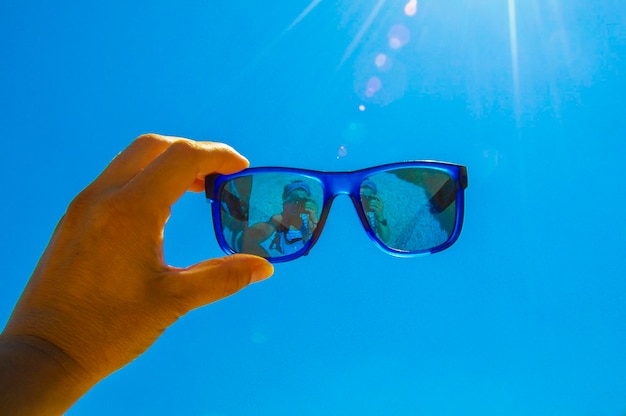
Ultraviolet (UV) rays from the sun can inflict lasting harm to your eyes, elevating the risk of conditions such as cataracts, macular degeneration, and photo keratitis (a sunburn affecting the eyes). To shield your eyes:
- Select sunglasses that provide 100% blockage of both UVA and UVB rays.
- Consider polarized lenses to diminish glare, particularly while driving or near water bodies.
- Opt for wraparound sunglasses for enhanced protection against peripheral exposure.
2. Stay Hydrated to Prevent Dry Eyes
Dehydration is prevalent during the summer months and can hinder tear production, resulting in dry and irritated eyes. To keep your eyes adequately hydrated:
- Consume ample water throughout the day.
- Limit caffeine and alcohol consumption, as these can exacerbate dehydration.
- Employ lubricating eye drops if you experience dryness or a gritty sensation in your eyes.
3. Use Protective Eyewear for Outdoor Activities
Summer activities such as swimming, cycling, and sports can pose risks to your eyes. Consider the following safety measures:
- Don goggles while swimming to guard against chlorine and bacteria present in pools.
- Utilize sports goggles during activities like cycling or beach volleyball to avert injuries.
- Avoid from rubbing your eyes after coming into contact with sand or dust to avoid irritation.
4. Avoid Direct Sunlight During Peak Hours
The sun’s intensity peaks between 10 AM and 4 PM. To reduce UV exposure:
- Seek shade or don a wide-brimmed hat when outdoors.
- Schedule outdoor activities for the early morning or late afternoon.
- Apply sunscreen around the eye area to protect against skin damage.
5. Protect Your Eyes from Allergens
Seasonal allergies during summer can result in symptoms such as itchy, red, and watery eyes. To alleviate these effects:
- Keep windows shut on days with high pollen counts.
- Cleanse your hands and face after being outdoors.
- Utilize antihistamine eye drops if symptoms continue.
6. Take Breaks from Digital Screens
Increased daylight hours often lead to prolonged screen usage, which can result in digital eye strain. To minimize this strain:
- Follow to the 20-20-20 rule—every 20 minutes, focus on an object 20 feet away for 20 seconds.
- Adjust the brightness of your screen to align with the surrounding light.
- Consider using blue light-filtering glasses if you are engaged in extended screen work.
7. Avoid from Swimming with Contact Lenses
Wearing contact lenses while swimming can increase the risk of serious eye infections due to exposure to bacteria and microorganisms in water. To ensure safety:
- Opt for prescription swim goggles instead of contact lenses.
- If it is necessary to wear contacts, choose daily disposable lenses and dispose of them after swimming.
8. Maintain a Healthy Diet for Eye Health
A diet rich in nutrients is essential for maintaining overall eye health. Incorporate:
- Leafy greens (such as spinach and kale) for lutein and zeaxanthin.
- Omega-3 fatty acids (found in salmon and flaxseeds) to alleviate dry eyes.
- Foods high in vitamins C and E (like oranges and nuts) for antioxidant benefits.
9. Be Aware of Air Conditioning and Dry Air
Air conditioning can contribute to dry eyes, leading to discomfort and irritation. To mitigate this:
- Employ a humidifier to introduce moisture into indoor air.
- Blink regularly to maintain eye lubrication.
- Avoid positioning yourself directly beneath air vents.
10. Get Regular Eye Exams
Summer presents an excellent opportunity to arrange an eye examination to ensure your vision remains clear. Regular check-ups are vital for early detection of issues and for keeping your prescription current.
Conclusion
Taking care of your eyes during the summer is crucial for maintaining clear vision and preventing long-term damage. By wearing UV-protective sunglasses, staying hydrated, protecting against allergens, and following healthy habits, you can enjoy the season while keeping your eyes safe. Implement these summer eye care tips to ensure bright, healthy eyes all summer long!