
In today’s world, protect eyesight from air pollution is a growing concern, not just for our lungs but also for our eye health. Exposure to pollutants like dust, smoke, and chemicals can cause eye irritation, dryness, and long-term damage. Protecting your eyesight in such conditions is crucial for maintaining clear and comfortable vision. Below are five essential habits to shield your eyes from pollution effectively.
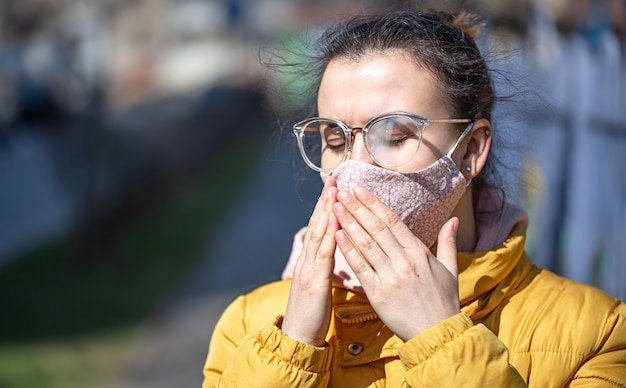
Wear Protective Eyewear
One of the simplest yet most effective ways to protect your eyes from pollution is by wearing protective glasses or sunglasses. UV-coated sunglasses or anti-pollution glasses create a barrier against airborne particles, reducing exposure to harmful pollutants. If you ride a bike or walk through high-traffic areas, wraparound glasses can prevent dust and debris from entering your eyes.
Pro Tip:
- Opt for blue-light blocking glasses if you spend long hours on digital devices.
- Choose polarized sunglasses to reduce glare and enhance clarity outdoors.
Keep Your Eyes Clean
Pollution can lead to eye infections and allergic reactions. Keeping your eyes clean is an essential step in preventing irritation. Washing your face and eyelids with clean water after being outdoors helps remove dust and pollutants. Using a gentle eye cleanser or saline solution can further reduce contaminants.
Best Practices:
- Avoid rubbing your eyes with dirty hands.
- Utilize preservative-free artificial tears to ensure proper eye hydration.
- Maintain good contact lens hygiene to prevent infections
Stay Hydrated and Eat a Nutrient-Rich Diet to protect Eyesight
Adequate hydration is vital for sustaining optimal eye health. Sufficient water intake helps prevent dry eyes, which can be aggravated by pollution. Furthermore, a diet abundant in vitamins A, C, and E promotes eye health and mitigates oxidative stress induced by pollutants.
Foods Beneficial for Eye Health:
- Carrots and sweet potatoes (High in Vitamin A)
- Leafy greens such as spinach and kale (Rich in lutein and zeaxanthin)
- Citrus fruits (Excellent source of Vitamin C)
- Almonds and walnuts (Outstanding sources of Vitamin E and omega-3 fatty acids).
Take Breaks from Screens and Reduce Strain
Air pollution, when coupled with extended periods of screen usage, can lead to digital eye strain. This condition manifests as blurred vision, headaches, and fatigue in the eyes. To alleviate this strain, the 20-20-20 rule is recommended:
20-20-20 Rule:
- Every 20 minutes, divert your gaze from the screen.
- Focus on an object 20 feet away for a duration of 20 seconds.
- Remember to blink frequently to maintain moisture in your eyes.
Moreover, adjusting the brightness of your screen and utilizing anti-glare filters can provide additional protection for your eyes.
Use a Humidifier and Avoid Dry Environments
Air that is polluted is frequently dry, which can exacerbate dry eye syndrome. Utilizing a humidifier in your home or workplace can help sustain appropriate humidity levels, thereby alleviating eye discomfort. If you reside in an area with significant pollution, consider using air purifiers to eliminate dust and allergens from the environment.
Additional Recommendations
- Limit time spent in air-conditioned spaces, as they can contribute to dryness in the eyes.
- Increase your blinking frequency while engaged with digital screens.
- Consider using artificial tears to ensure your eyes remain lubricated.
Conclusion
Protecting your eyesight in a polluted environment requires conscious effort and healthy habits. By wearing protective eyewear, maintaining eye hygiene, staying hydrated, reducing screen strain, and using a humidifier, you can significantly lower the risk of eye problems. Prioritizing these habits will not only keep your eyes healthy but also improve overall visual comfort in today’s challenging environmental conditions.
Start implementing these eye-care habits today and ensure that your vision remains sharp and strong, despite the increasing levels of pollution.