
Contact lens care is a convenient alternative to glasses, providing clear vision without the hassle of frames. However, improper use and poor hygiene can lead to eye infections and discomfort. Establishing healthy habits for contact lens care is crucial to maintaining eye health and vision clarity. In this article, we will explore the best practices for wearing, cleaning, and storing contact lenses to ensure long-term comfort and safety.
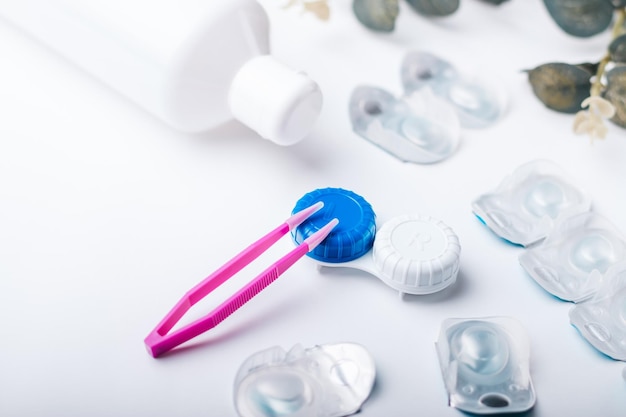
1. Wash Your Hands Before Handling Contact Lenses
One of the most essential habits in contact lens care is washing your hands thoroughly before touching your lenses. Dirty hands can transfer bacteria and debris to your eyes, increasing the risk of infections such as keratitis. Use soap and water, dry your hands with a lint-free towel, and avoid using moisturizing soaps that can leave residues on the lenses.
2. Follow the Recommended Replacement Schedule
Each category of contact lenses is designed for a specific duration of use, whether it be daily, weekly, or monthly. Extending the wear of lenses beyond their designated time frame can result in the accumulation of deposits, bacterial growth, and discomfort. It is essential to follow the manufacturer’s instructions and replace your lenses punctually to ensure optimal eye health
3. Properly Clean and Store Lenses
The appropriate contact lens solution is crucial for preventing infections and the buildup of proteins or lipids. The following procedures for effective cleaning and storage:
- Employ a multipurpose disinfecting solution to clean and rinse the lenses.
- Gently rub the lenses between your fingers or in your palm for a minimum of 20 seconds to eliminate dirt and debris.
- Store the lenses in a clean case filled with fresh solution—never reuse old solution.
4. Avoid Sleeping in Contact Lenses
Unless you are using extended-wear lenses that are specifically approved for overnight use, it is imperative not to sleep with your contact lenses. Sleeping in lenses diminishes the oxygen supply to the cornea, thereby heightening the risk of infections and dry eyes. Remove your lenses prior to bedtime to allow your eyes to rest and recuperate.
5. Avoid Rinsing Lenses with Tap Water or Saliva
Tap water and saliva may harbor harmful microorganisms that can lead to severe eye infections, such as Acanthamoeba keratitis. Always utilize a sterile contact lens care solution for rinsing and avoid placing your lenses in your mouth.
6. Replace Your Contact Lens Case Regularly
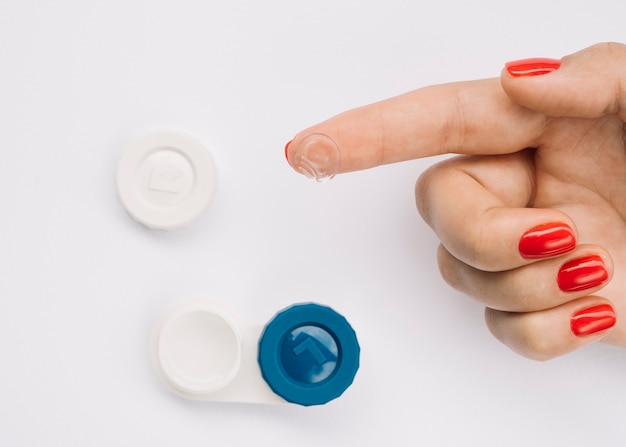
Your contact lens case may accumulate bacteria and germs as time passes. To reduce the risk of contamination, it is advisable to clean it daily with fresh solution, allow it to air dry, and replace it every three months.
7. Allow Your Eyes to Rest
Wearing contact lenses for too long can lead to dryness and irritation. Follow the 20-20-20 guideline: every 20 minutes, focus on an object 20 feet away for 20 seconds. If your eyes feel dry, consider using preservative-free lubricating drops.
8. Avoid from Wearing Contact Lenses While Swimming or Showering
Water found in swimming pools, hot tubs, and showers may harbor bacteria and parasites that can cause serious eye infections. It is advisable to wear waterproof goggles or to remove your lenses prior to engaging in swimming or showering activities.
9. Pay Attention to Signs of Eye Problems
Should you notice redness, discomfort, blurred vision, or excessive tearing, promptly remove your lenses and seek advice from an eye care professional. Neglecting these symptoms may result in significant complications and possible vision impairment.
10. Get Regular Eye Exams
Regular eye examinations are crucial for ensuring your prescription is up to date and for identifying any potential eye health concerns at an early stage. Arrange for annual visits with your optometrist or ophthalmologist to maintain optimal eye health and clear vision.
Conclusion
proper contact lens care is vital for preserving eye health and ensuring clear vision. By implementing these practices—washing your hands before handling lenses, properly cleaning and storing them, replacing them as directed, and attending regular eye exams—you can prevent infections and safely enjoy the advantages of contact lenses. Remember, your eyes are precious, and taking care of them should be a priority. Implement these habits today for a comfortable and problem-free experience with contact lenses.