
This article will explore Top 10 best foods for eye health and some of the most beneficial foods to improve eyesight without glasses that can be integrated into our daily meals to promote better eye health and vision. Below are the best foods for eye health for maintaining eyesight that can be easily and regularly included in our diet.
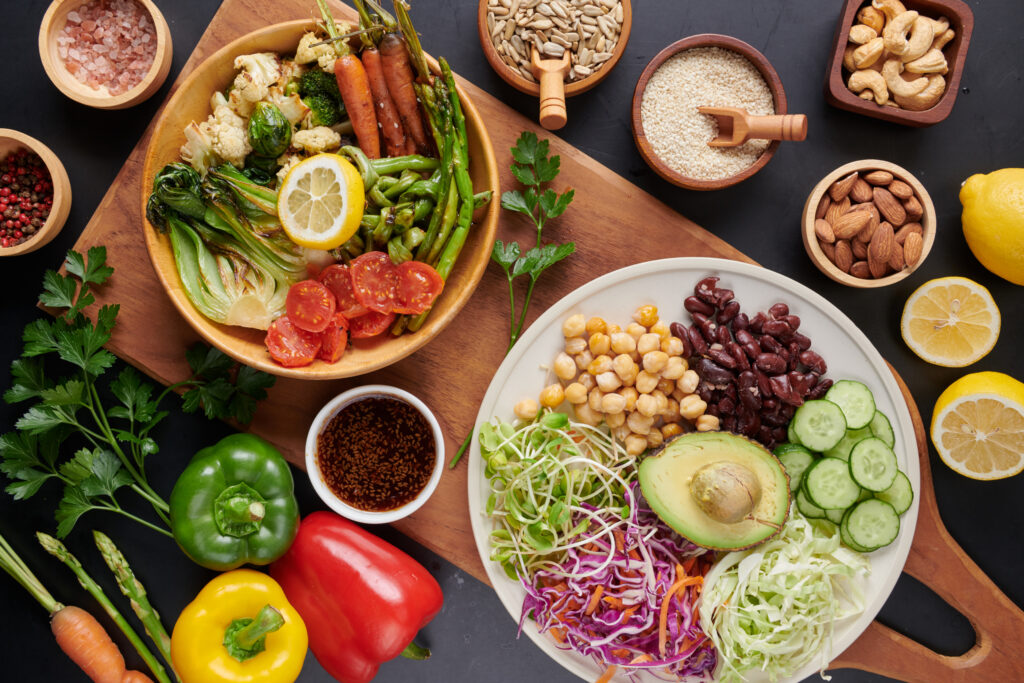
Our eyes serve as vital gateways to our surroundings, making their health a priority. A highly effective method for safeguarding our vision involves the intake of nutrient-dense foods. A balanced diet rich in essential vitamins, antioxidants, and omega-3 fatty acids can greatly diminish the likelihood of developing age-related eye disorders, including macular degeneration, cataracts, and dry eye syndrome.
Leafy Green Vegetables
Leafy green vegetables are among the best foods for eye health and maintaining strong and healthy eyes. They are packed with essential vitamins, minerals, and antioxidants that help protect vision and prevent eye diseases.
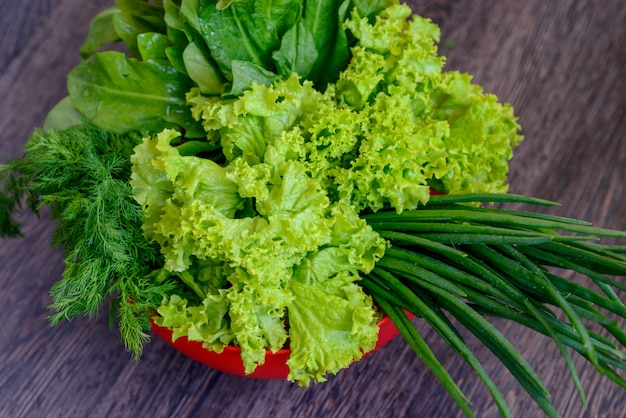
These vegetables are abundant in lutein, zeaxanthin, and beta-carotene, which contribute to vision protection and lower the likelihood of eye-related ailments.
Fatty Fish
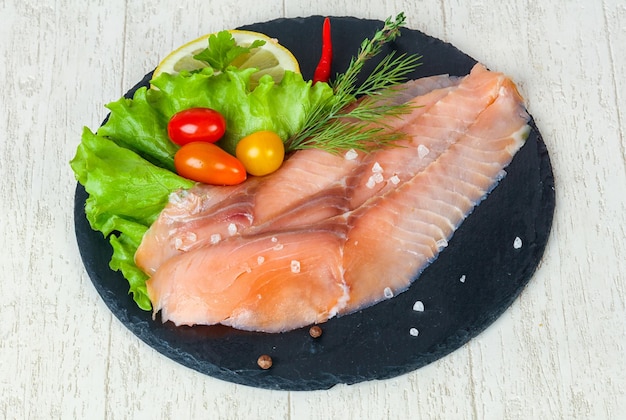
Fish such as salmon and sardines, which are high in omega-3 fatty acids, promote retinal health and help alleviate dry eye conditions.
Citrus Fruits
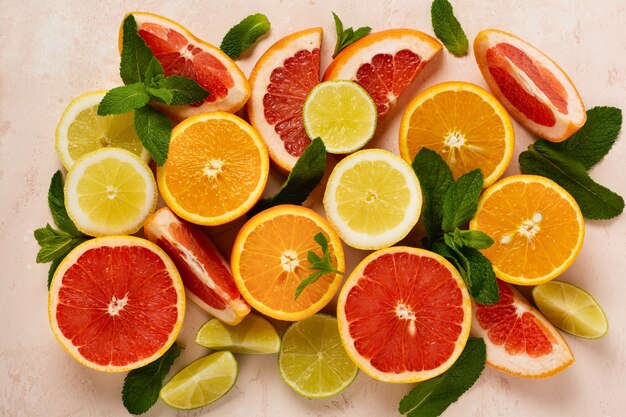
Citrus fruits are rich in essential vitamins and antioxidants that help protect the eyes and maintain good vision. Their high vitamin C is good for eyesight content and plays a crucial role in preventing eye diseases and reducing oxidative stress
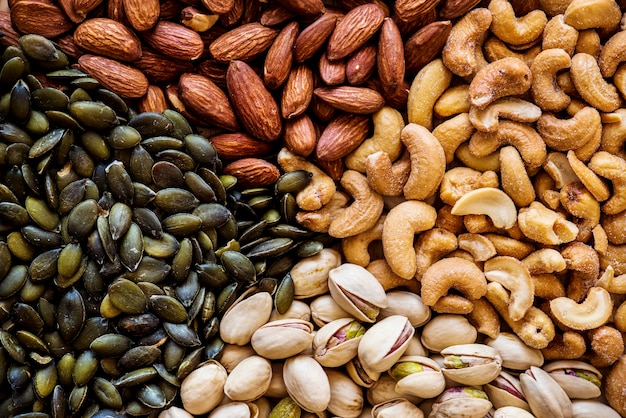
Nuts and Seeds
They are rich in vitamins, healthy fats, and antioxidants that protect the eyes from age-related damage and reduce the risk of vision problems. Packed with vitamin E and beneficial fats, nuts, and seeds aid in maintaining eye hydration and protection.
Carrots and Sweet Potatoes
Carrots and sweet potatoes are some of the best foods for maintaining good vision. They are packed with beta-carotene, vitamin A, and antioxidants that help protect the eyes from damage and diseases.
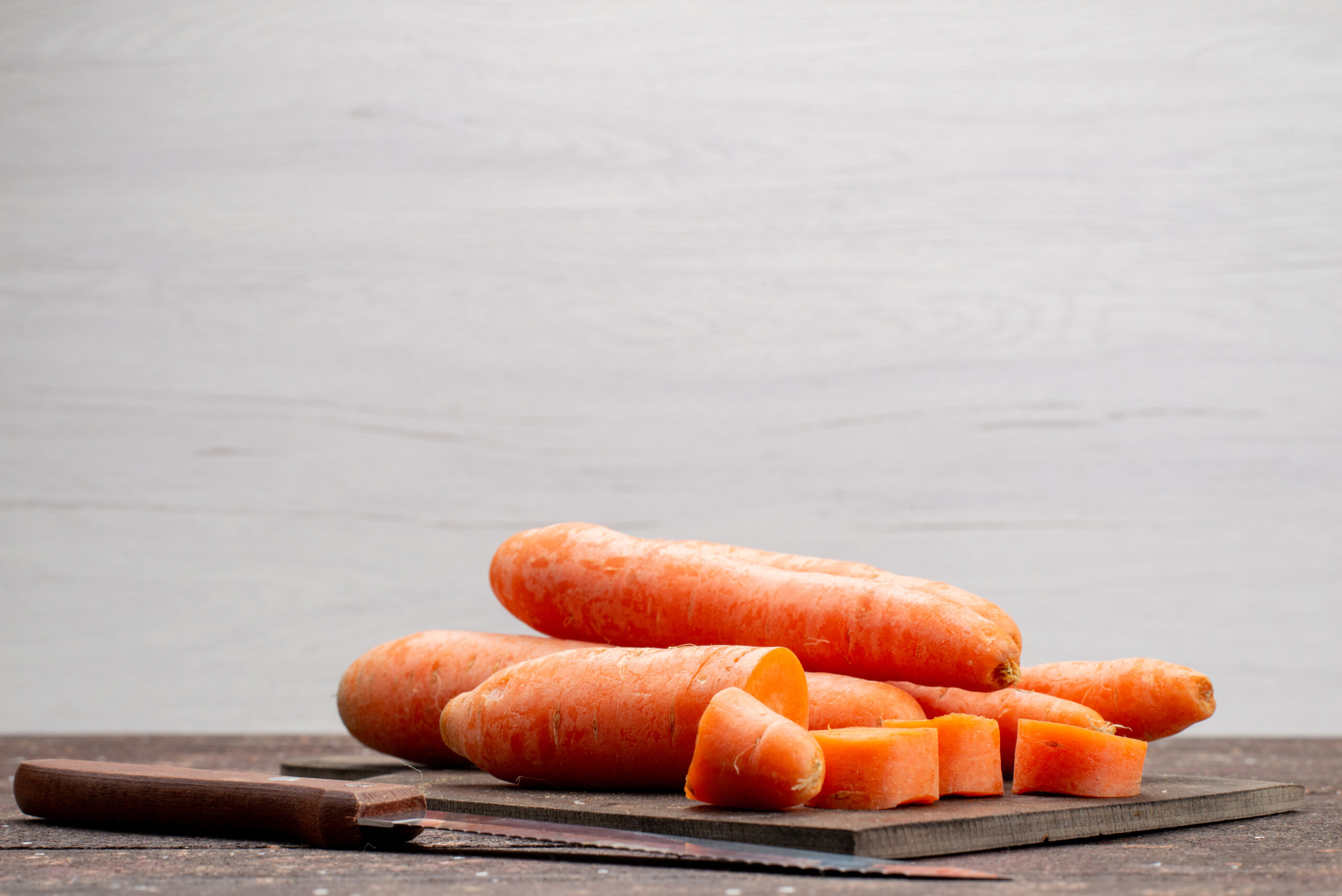
Including carrots and sweet potatoes in your diet can enhance vision, protect eye health, and keep your eyesight strong for years to come
Broccoli and Brussels sprouts
They might not be everyone’s favorite vegetables, but you can’t argue when it comes to their nutritional benefits. Broccoli and Brussels sprouts are the Best foods for eye health nutrient-rich vegetables that support eye health and vision. They contain a powerful combination of vitamins, antioxidants, and fiber, which help protect the eyes from age-related damage and diseases.
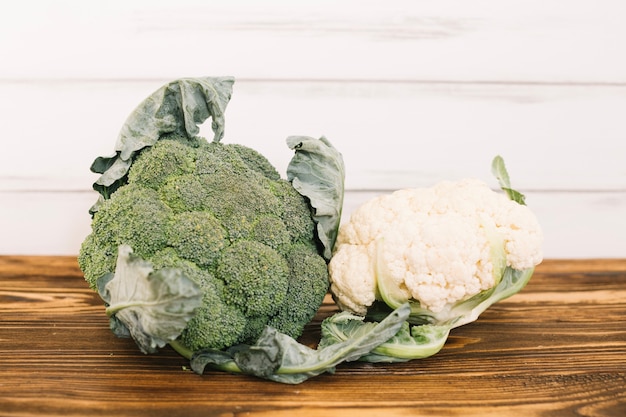
These vegetables are rich in vitamins A, C, and E, which play a crucial role in safeguarding eye health against free radicals
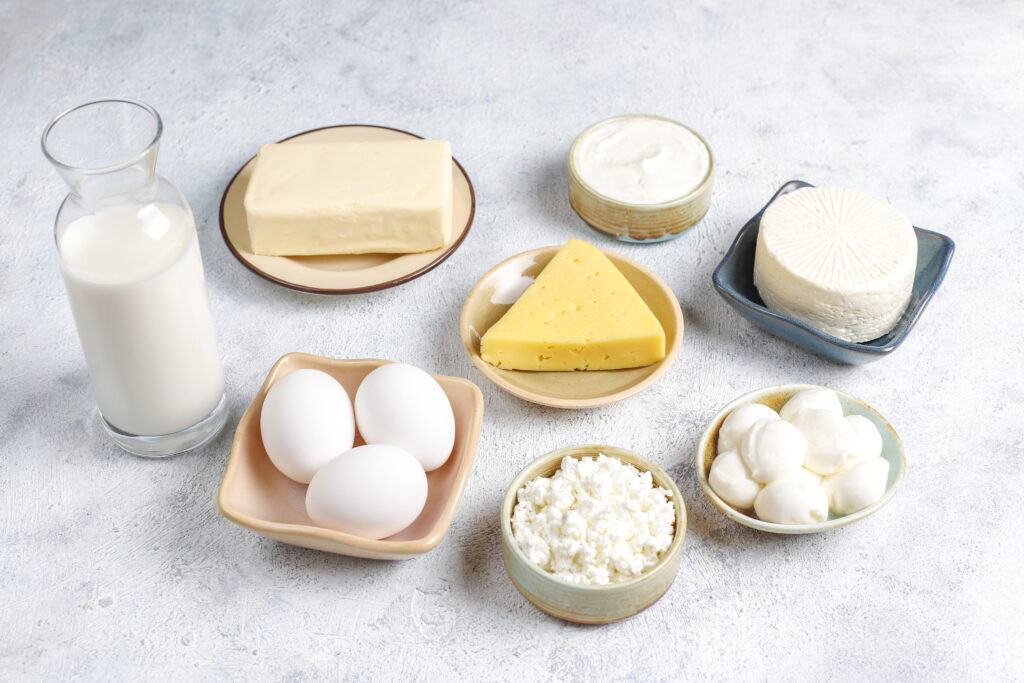
Eggs and Dairy Products
These foods provide lutein, zeaxanthin, and zinc, which are essential for sustaining long-term eye health.
Bell peppers
Peppers rank among the vegetables highest in vitamin C content relative to their caloric value. This essential nutrient is beneficial for the blood vessels in the eyes and may reduce the likelihood of developing cataracts.
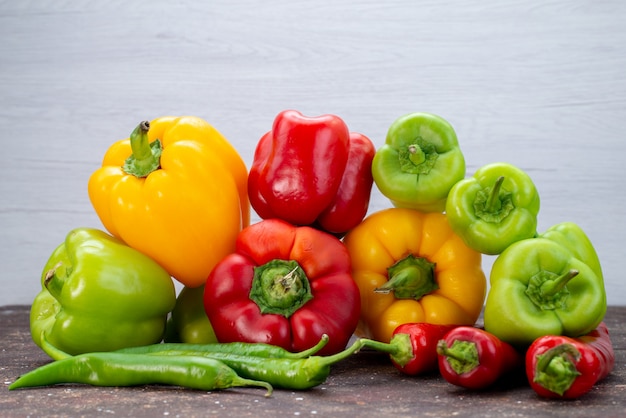
While vitamin C supplements are available, it is equally simple to obtain this vitamin from a variety of foods, including strawberries, cauliflower, and bok choy
Beans and legumes
For individuals following a vegan or vegetarian diet, it is advisable to incorporate beans and legumes into their meals to promote eye health.
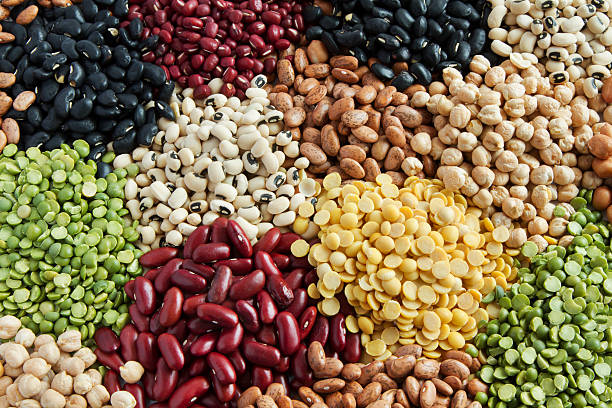
These foods, which are low in fat and high in fiber, are rich in zinc and a variety of vitamins that contribute to maintaining clear vision over time.
water
Additionally, while our last recommendation is not a food item, it is equally crucial for maintaining optimal eye health.

Adequate hydration through water consumption plays a vital role in preventing dehydration and alleviating dry eyes, ensuring comfort throughout the day.
Essential Nutrients for Eye Health
Vitamin A and Beta-Carotene
Vitamin A is vital for preserving optimal vision, especially in low-light environments. It serves as a fundamental element of rhodopsin, a protein in the eyes that facilitates vision in dim lighting. Beta-carotene, which is present in vibrant fruits and vegetables, is converted into vitamin A within the body. Best Sources: Carrots, sweet potatoes, spinach, kale
Lutein and Zeaxanthin
These antioxidants shield the eyes from detrimental blue light and diminish the likelihood of macular degeneration. Best Sources: Leafy greens (spinach, kale), eggs, corn, bell peppers
Omega-3 Fatty Acids
Crucial for sustaining the retina and preventing dry eyes, omega-3 fatty acids help reduce inflammation and enhance tear production. Best Sources: Salmon, mackerel, chia seeds, walnuts
Vitamin C
As a potent antioxidant, vitamin C aids in the prevention of cataracts and supports the blood vessels in the eyes. Best Sources: Oranges, strawberries, bell peppers, kiwi
Vitamin E
This antioxidant mitigates oxidative stress, thereby lowering the risk of age-related eye conditions. Best Sources: Almonds, sunflower seeds, hazelnuts, avocados
Zinc
Zinc is essential for the transport of vitamin A from the liver to the retina, facilitating melanin production for eye protection. Best Sources: Oysters, beef, poultry, pumpkin seeds
B Vitamins
B vitamins contribute to the reduction of homocysteine levels, which in turn decreases the risk of age-related macular degeneration. Best Sources: Legumes, dairy, fortified cereals.
Conclusion
Eating the right foods is one of the best ways to maintain good eye health and prevent vision problems. A diet rich in vitamins, antioxidants, and omega-3 s will keep your eyes strong and healthy for years to come.